Email Whatsapp Skip to main content

DrNatashaLim

Dr. Natasha Lim Eye Centre – Laser Cataract & LASIK Surgery Singapore

Surgery + Technology

LASEK & PRK

Surface Ablation (LASEK and PRK)

For eyes with thin corneas that not suitable for LASIK, surface ablation is a very well proven alternative technique for laser vision correction. In surface laser treatment there is no need to create a permanent flap in the deeper corneal layer. Instead only the epithelial (skin) layer is removed, then the excimer laser ablation is applied underneath. Epi-LASIK, LASEK and PRK are 3 different methods of preparing the epithelium for surface laser treatment, Dr Lim is very experienced in performing all 3 procedures and will recommend the most appropriate procedure.

Surface Ablation techniques for thin corneas
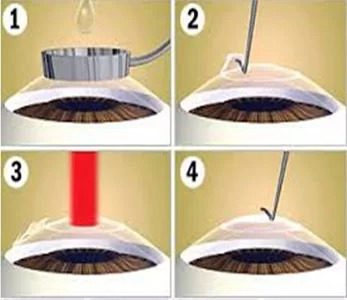
LASEK (bladeless)
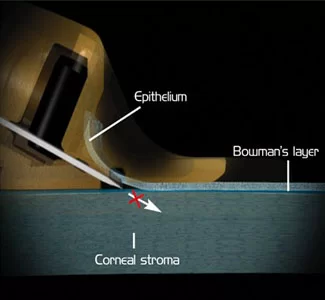
epiLASIK uses blunt blade

Laser Vision CorrectionFees Per Eye (excluding GST)
Wavefront Optimised LASIK / LASEKFrom $1950 – $2250
Wavefront Guided LASIK / LASERFrom $1950 – $2250
Collagen cross-linking (LASIK XTRA)$550

FAQs

+
What Is LASEK and PRK?
LASEK and PRK are both surface laser treatments which involve reshaping the cornea without the need to cut a LASIK flap. The distinction comes from how they remove the outermost layer of the cornea.
+
Is LASEK or PRK Better Than LASIK?
Neither procedure is right for every individual. For thinner corneas, or those desiring to avoid creating a corneal flap, LASEK or PRK could be a viable option.
+
Should I Go for LASEK or PRK?
Your suitability is determined by your age, the stability of your prescription, the corneal thickness, eye health and other variables. A full eye examination is required before you undergo treatment.
+
Is LASEK or PRK Eye Surgery Painful?
Anaesthetic eye drops are used in surgery, and therefore the operation itself will typically not be painful. Discomfort, watering and sensitivity to light may occur during the first few days of healing.
+
How Long Does It Take to Recover From LASEK or PRK?
Initial surface healing generally takes several days; it can take several weeks for vision to stabilise. The recovery time is generally slower than with LASIK.
+
Can LASEK and PRK Correct High Myopia and Astigmatism?
Both LASEK and PRK are able to treat myopia, hyperopia and astigmatism within their correction range, but your prescription and the shape of your corneas must be right for you to be able to have it.
+
What Are the Risks and Side Effects of LASEK and PRK?
Temporary discomfort, dry eyes, glare, varying vision and light sensitivity are all common following surgery. Additional risks are corneal haze and other complications; therefore, individual risks should be weighed before treating eyes.
+
Can I Exercise After LASEK or PRK Eye Surgery?
Light activities can normally be recommenced as the eyes heal, but swimming, contact sports and activities that may pose a risk of injury to the eyes may need to be avoided for a longer period, and your surgeon will advise when to recommence.
+
Are the Results of LASEK and PRK Permanent?
LASEK and PRK will permanently reshape the cornea of the treated eye; however, natural changes to eyesight may occur with time. Further corrections or glasses may be necessary.
+
How Much Does LASEK or PRK Cost in Singapore?
The price can differ from procedure to procedure, clinic to clinic and surgeon to surgeon, as well as the type of care included before and after the operation. A consultation is needed to confirm the right procedure and total cost.