
LASIK, SMILE or ICL eligibility for surgery is determined after a comprehensive eye assessment. Your age, prescription, corneal measurement, and eye health are taken into account. We will discuss whether LASIK, SMILE or ICL may be beneficial for you. We, at Dr Natasha Lim Eye Centre, will take you through your eye history and current …

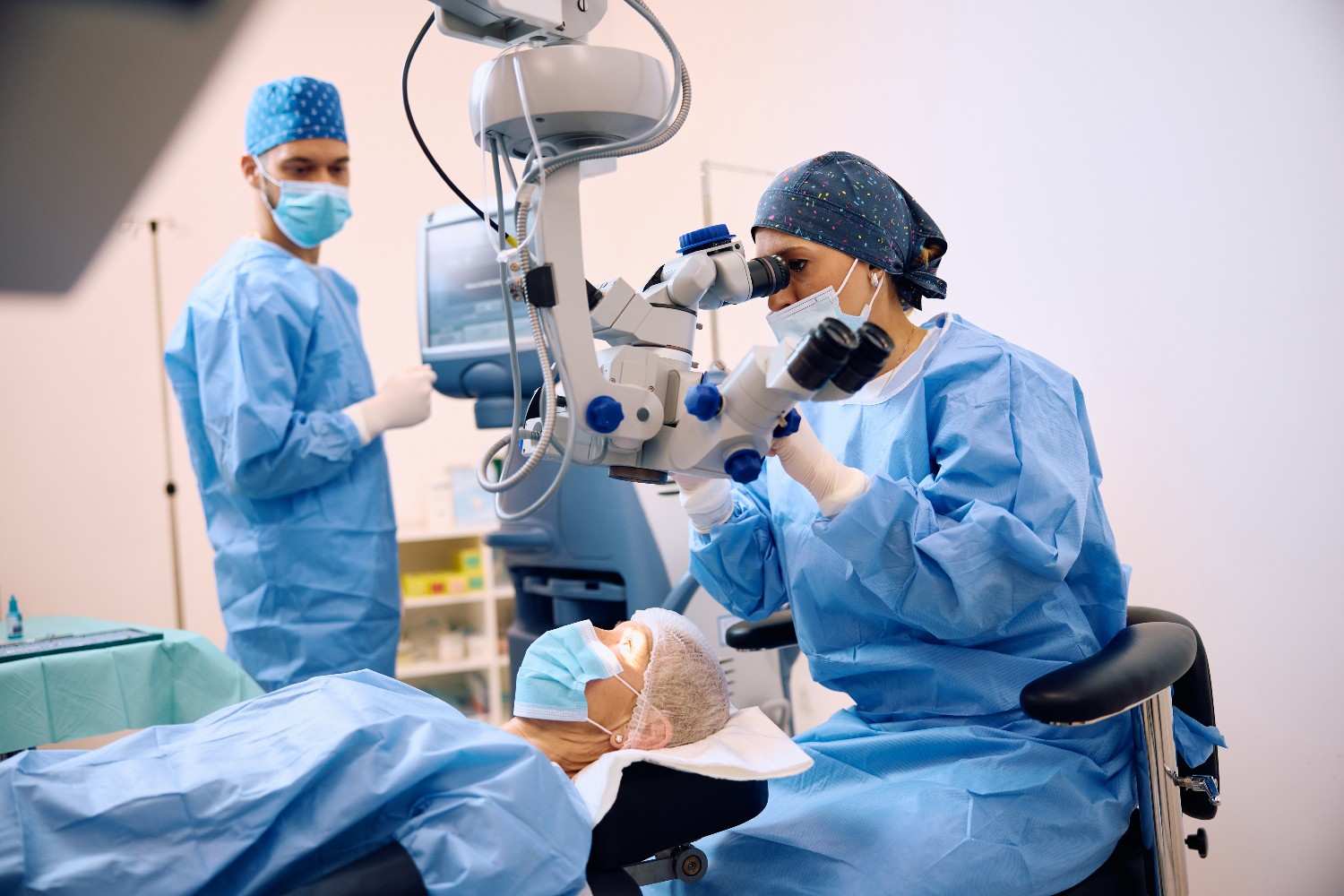
LASIK, SMILE or ICL eligibility for surgery is determined after a comprehensive eye assessment. Your age, prescription, corneal measurement, and eye health are taken into account. We will discuss whether LASIK, SMILE or ICL may be beneficial for you.
We, at Dr Natasha Lim Eye Centre, will take you through your eye history and current vision requirements. LASIK, SMILE or ICL eligibility is not just based on your glasses prescription. We consider your general eye condition and then talk about the choices you have.
What Affects Eye Surgery Eligibility?
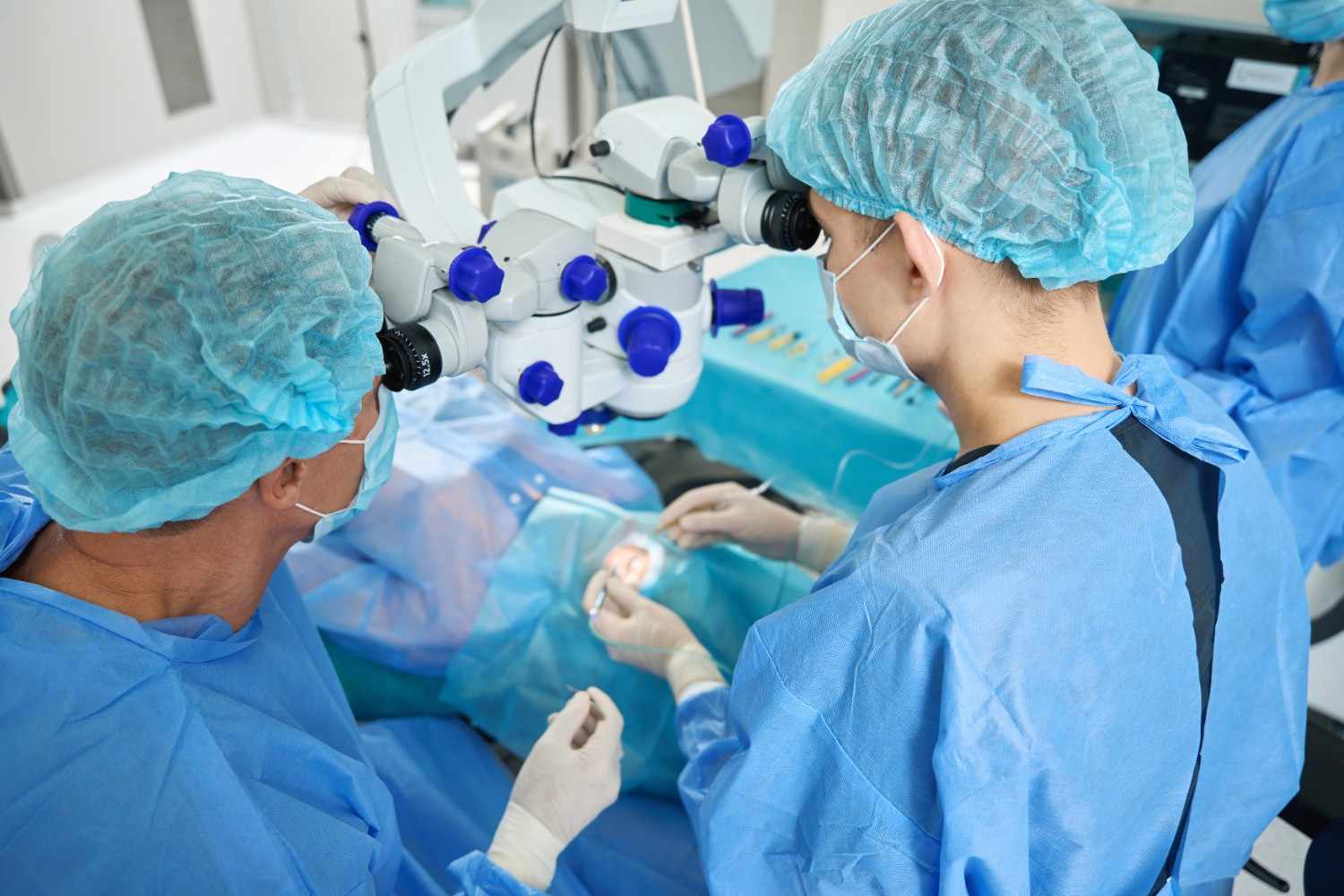
Eye surgery eligibility will be based on a number of factors. Your prescription should generally be stable before we consider your refractive surgery. We examine the shape of your cornea, the thickness of your cornea, and the overall health of your eye. These results will help us determine LASIK, SMILE, and ICL eligibility.
By age factor, the criteria are as follows. Your eyes must be in good condition to be able to undergo the procedure as planned. Eye surgery eligibility may therefore differ between patients.
LASIK Eligibility in Singapore
To determine your LASIK eligibility in Singapore, a comprehensive eye examination is performed. We will examine your eyes for your refraction, corneal parameters and general eye health. For official guidelines, refer to Singapore National Eye Centre – LASIK Surgery FAQs
Who Is Suitable for LASIK?
Who is suitable for LASIK will be determined by the results of your assessment. One of the criteria is having a stable prescription. Other factors such as having suitable corneal thickness and shape are also considered. LASIK eligibility in Singapore may thus vary between patients.
Corneal thickness, the shape of the cornea and the amount of tissue removed are significant elements in the evaluation of the potential risk of developing corneal ectasia.
Understanding SMILE Eligibility
The merits of SMILE eligibility are evaluated in light of your prescription, the structure and surface of the cornea and the health of your eye in general. SMILE may be considered if you have myopia or myopic astigmatism. These and other factors are evaluated before we talk about the procedure.
SMILE eligibility is additionally determined by your own eye parameters. Patient selection for SMILE will be based on individual profile including refraction, corneal parameters, and other factors prior to the procedure.
Understanding ICL Eligibility
ICL eligibility criteria are different to laser procedures. ICL involves placing a lens inside the eye, rather than altering the shape of the cornea. It might be an option in certain highly myopic patients.
ICL eligibility evaluation is performed based on the health and anatomy of your eyes. The ICL has been studied as an option for the correction of high and very high myopia in carefully selected patients.
Factors We Consider Before Surgery
LASIK, SMILE or ICL eligibility depends on the whole assessment, not one result. Prior to the treatment discussion, we may look at:
- Your age and overall eye health.
- Whether your prescription is stable.
- Corneal thickness and shape.
- The degree of myopia or astigmatism you have.
- Dry eye symptoms that are already present.
- Any former eye problems/conditions or therapies.
LASIK vs SMILE vs ICL can be discussed after your examination. To see who is suitable for LASIK, individual eyes can only be assessed, and we can explain the findings before discussing if this is suitable for you.
Can Dry Eye Affect Eligibility?
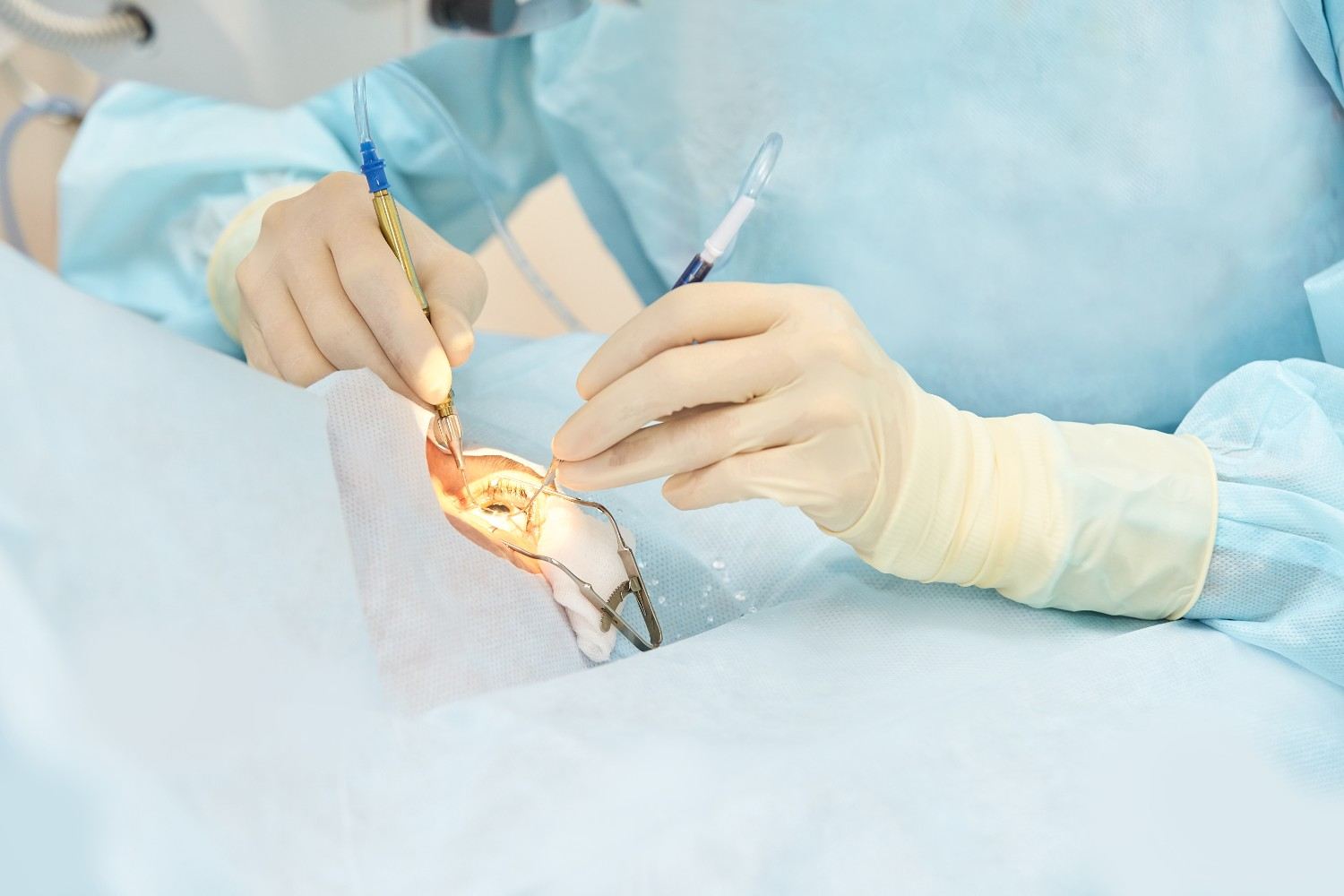
Dry eye is an important part of the assessment. We ask about the symptoms of dryness, irritation, burning or discomfort before starting to talk about laser vision correction. This way, we are able to see the condition of the surface of the eye prior to treatment.
Having dry eyes doesn’t necessarily mean you are not suitable for surgery. However, the condition may need to be treated before surgery. LASIK eligibility in Singapore may be based on your eyes on the day of your appointment. Dry eye can result after LASIK, and should be considered when planning treatment.
What If You Have High Myopia?
High myopia does not necessarily mean that vision correction is not an option. However, the degree of myopia influences what procedure is feasible. We look at your prescription, corneal measurements and general eye health.
ICL eligibility will be considered for some people with high or very high myopia. ICLs do not work by changing the shape of the cornea as the lens goes inside the eye. This is why it may be an option for some patients not suitable for corneal laser.
LASIK vs SMILE vs ICL: What Is the Difference?
There are three types of vision correction: LASIK vs SMILE vs ICL. LASIK and SMILE are laser treatments for the cornea. ICL involves insertion of a lens into the eye.
The correct option will be based on your individual eye measurements and needs. LASIK, SMILE or ICL eligibility is therefore evaluated separately for each procedure. LASIK and SMILE both offer refractive correction but are different procedures and have different patient-reported outcomes.
LASIK vs SMILE vs ICL: Key Differences
|
Factor |
LASIK |
SMILE |
ICL |
|
Procedure |
Utilises laser to reshape the cornea |
Removes a small lenticule from the cornea through a small incision |
Places a lens within the eye |
|
Corneal reshaping |
Yes |
Yes |
No |
|
Prescription |
Appropriate refractive errors following assessment |
Mainly myopia and myopic astigmatism following assessment |
May be considered for high or very high myopia. |
|
Corneal assessment |
The cornea is examined for central thickness and for curvatures of the cornea |
Corneal features are examined |
Eyes are examined for anatomy |
|
Dry eye |
Dry eye symptoms are considered before treatment |
Ocular surface health is considered |
Assessed as part of overall eye health |
|
What to consider first |
Prescription, corneal data and eye health |
Prescription, corneal features and eye health |
Prescription, eye structure and eye health |
How Do We Assess Your Options?
When reviewing eye surgery eligibility, we consider your prescription, eye health and treatment needs together. We also take into account any pre-existing eye conditions and the symptoms you are currently suffering.
Your SMILE eligibility will be based on the adequacy of your prescription and the characteristics of the cornea. We will also take a look at your overall eye health prior to discussing treatment. The same procedure is followed when determining ICL eligibility.
Which Procedure May Suit You?
No single treatment is suitable for everyone. Only a comprehensive eye examination can establish who is suitable for LASIK. The same applies to SMILE eligibility and ICL eligibility.
Your prescription could potentially make one of the procedures worth discussing, but the measurements of your cornea or your eye health could point towards another option. The options of LASIK vs SMILE vs ICL should therefore be discussed after your assessment.
What Happens During Your Eye Assessment?
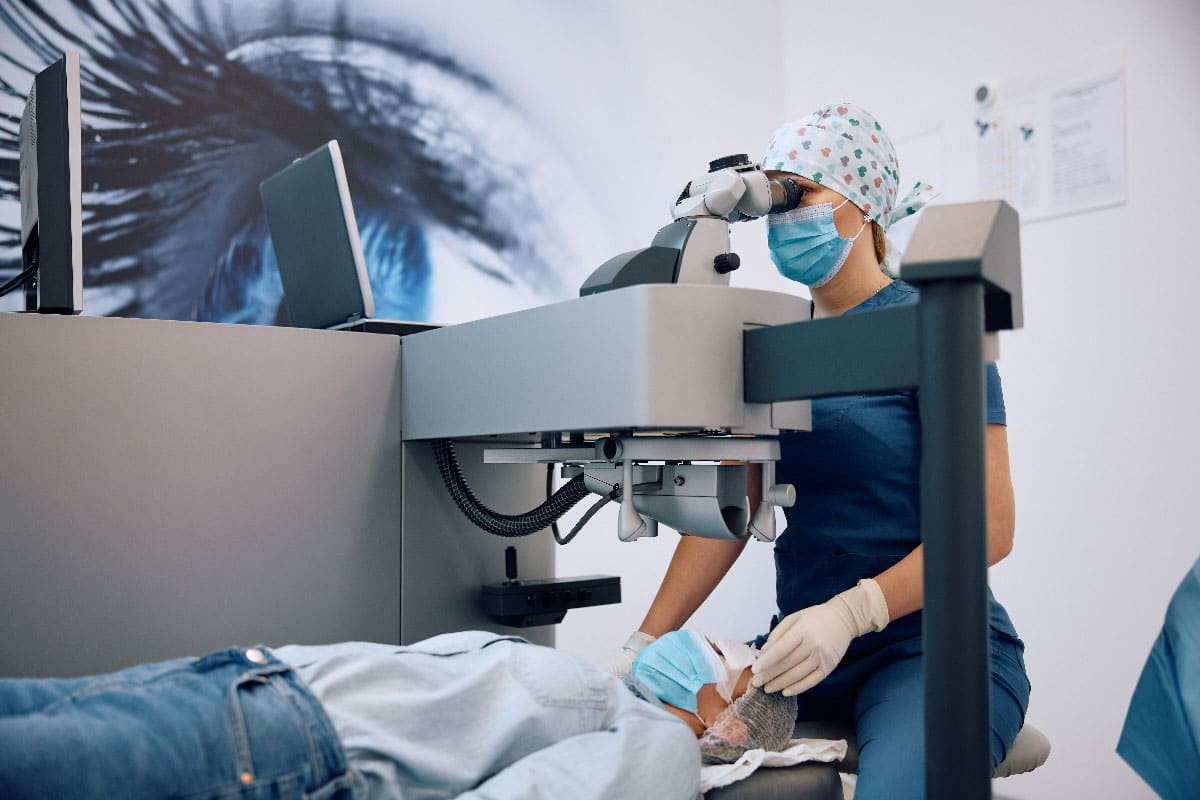
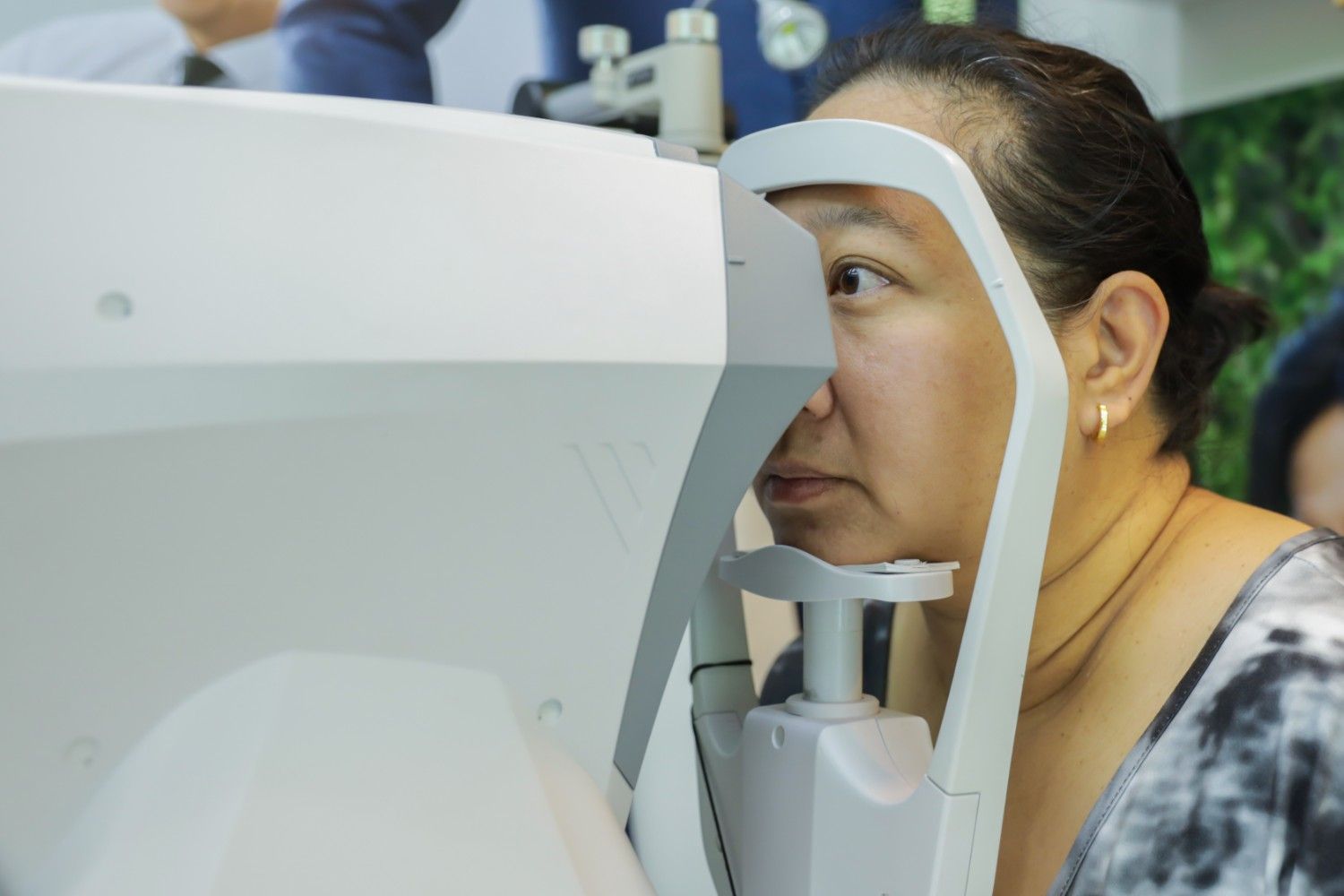
Firstly, we go through your eye history and current prescription. Then we carry out some tests on your cornea, surface of the eye and overall eye health. These checks help us understand your eye surgery eligibility.
We go through your expectations and personally answer all your questions. LASIK eligibility in Singapore is not only prescription-based, but also an individual assessment. The same can be considered for eligibility for LASIK, SMILE, or ICL. Learn more from Health Hub Singapore – LASIK and Laser Vision Correction Guide