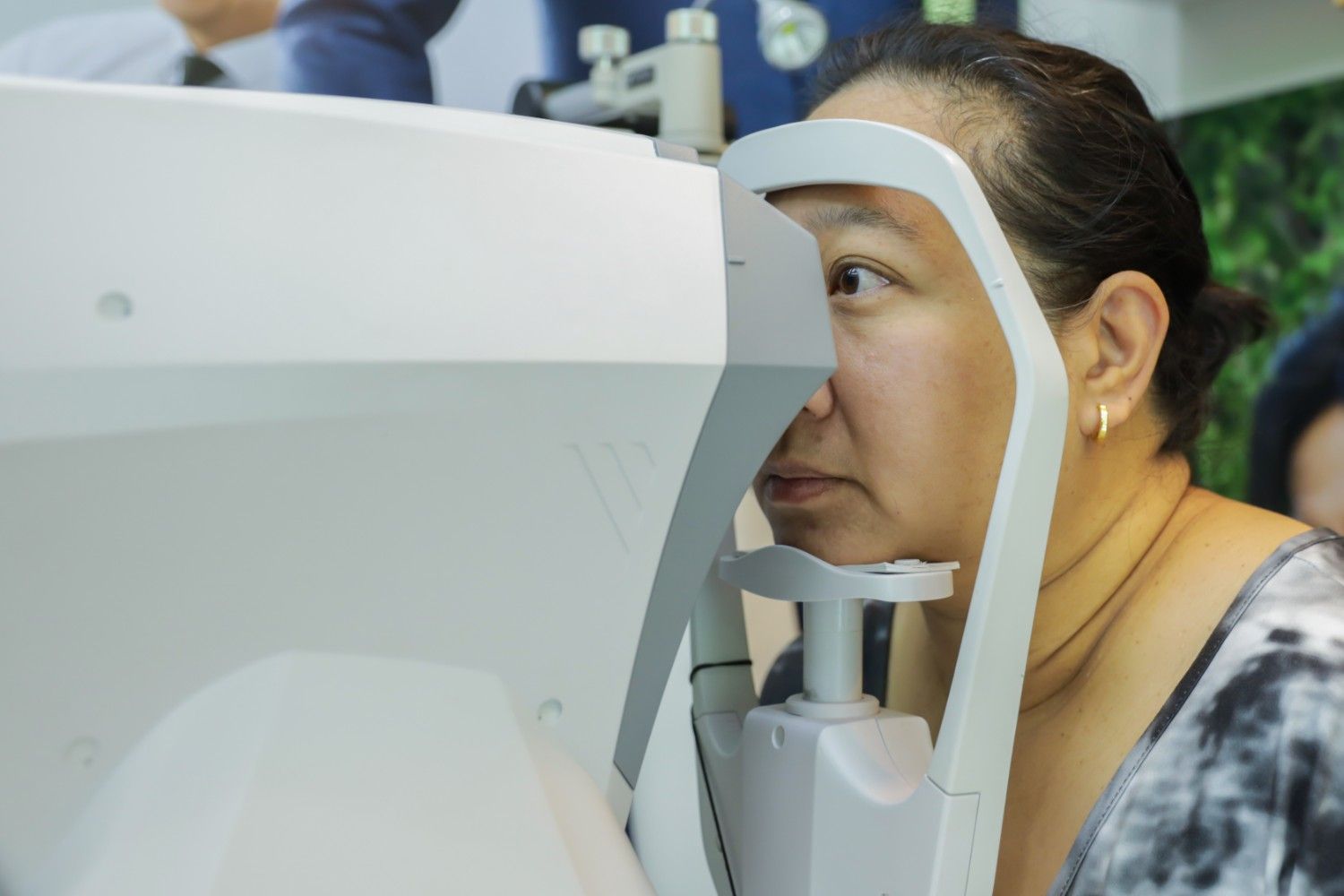

Age-related macular degeneration (AMD) is a chronic eye condition that impairs the central vision area, such that reading, face recognition, and driving become difficult. While it does not cause complete blindness, it has a strong impact on everyday life. AMD is one of the leading causes of visual impairment among Singaporeans aged 50 and above.According …


Age-related macular degeneration (AMD) is a chronic eye condition that impairs the central vision area, such that reading, face recognition, and driving become difficult. While it does not cause complete blindness, it has a strong impact on everyday life. AMD is one of the leading causes of visual impairment among Singaporeans aged 50 and above.According to research conducted by the Singapore Eye Research Institute, smokers are four times more likely to develop the more advanced form of AMD compared to non-smokers.
Types and Causes of AMD
AMD exists in two forms:
Dry AMD: The most common type, occurring in approximately 90% of AMD patients. It results from the gradual deterioration of the macula due to the gradual loss of light-sensitive cells over time. The process is slow but, if not treated, can lead to complete vision loss.
Wet AMD: The advanced form of AMD when new, abnormal blood vessels grow under the retina, leading to leakage of blood and fluid. The development of the blood vessels disrupts the normal architecture of the macula and can lead to loss of vision, if not caught in time.
How to detect the symptoms of AMD
AMD advances silently, without any warning signals. Nevertheless, as the disease progresses, patients may experience:
- Blurred central vision (gradual or abrupt)
- Distorted vision, such that straight lines appear bent
- Shadows or blind spots in vision
- Difficulty in identifying colors and contrast
- Slow response to light
How is AMD diagnosed?
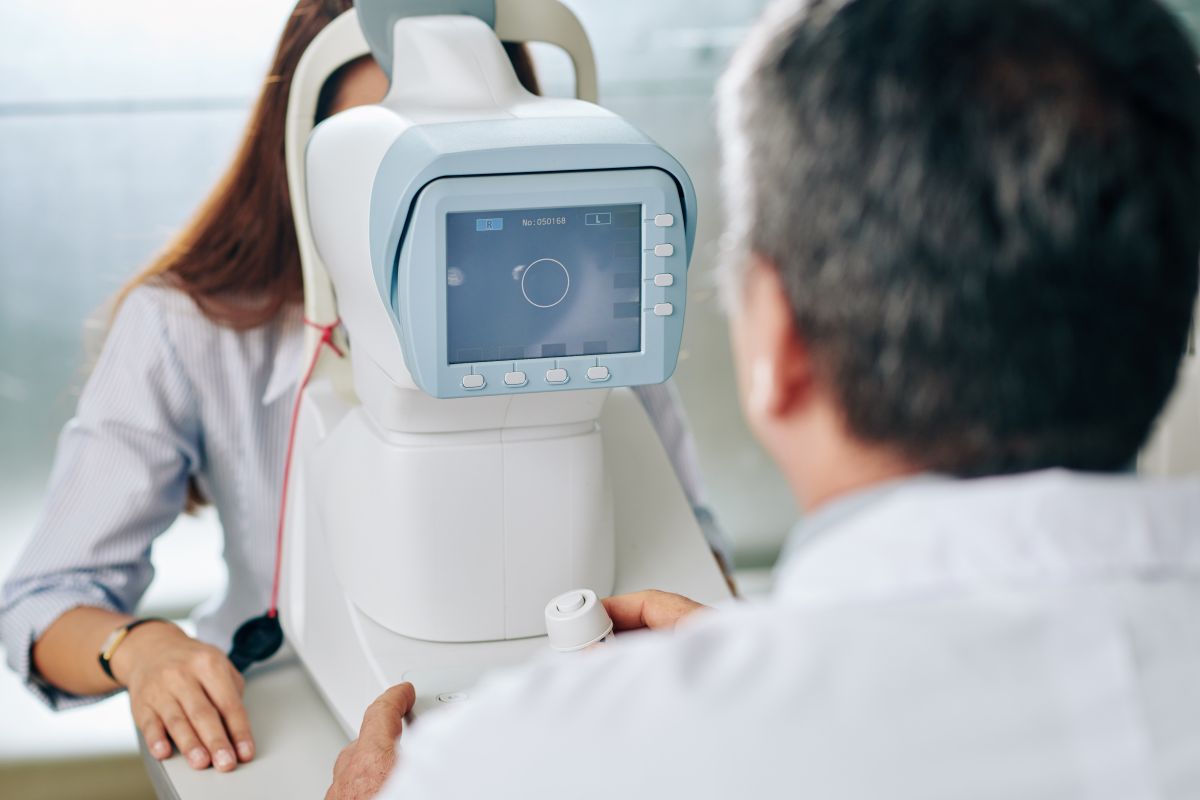
Because AMD may not have immediate symptoms, early diagnosis through proper eye examination is important. Several diagnostic tests can detect and track AMD:
- Amsler Grid Test
Your eye specialist can use an Amsler grid to examine for central vision changes. While the grid is viewed, AMD patients can detect wavy or missing lines, which suggest macular damage. The test is also possible to perform at home for monitoring purposes.
- Optical Coherence Tomography (OCT)
This imaging exam is similar to an ultrasound but uses light waves instead of sound waves. OCT produces high-resolution cross-sectional images of the retina, allowing ophthalmologists to detect early changes of AMD.
- Fundus Fluorescein Angiography (FFA) and Indocyanine Green Angiography (ICG)
These exams involve injecting a fluorescent dye into the bloodstream to highlight leaking retinal blood vessels. This is particularly useful for diagnosing wet AMD and choosing the optimal treatment.
Treatment of AMD

AMD cannot be treated, but numerous macular degeneration treatment can prevent its progression and maintain vision.
- Intravitreal Injections (Anti-VEGF Therapy)
In wet AMD, the optimal treatment is injecting anti-VEGF (vascular endothelial growth factor) medications such as Avastin, Lucentis, and Eylea into the eye. These drugs block abnormal blood vessel growth, which reduces leakage and inflammation.
- The injection is performed under local anesthesia to minimize pain.
- Multiple injections are required over two years (typically 12 to 14 injections).
- Follow-up and OCT scanning are required at regular intervals to monitor and adjust treatment.
- Photodynamic Therapy (PDT)
This treatment involves a low-intensity laser and a light-sensitive drug (verteporfin) administered into the bloodstream. When energized by laser light, the drug seals off abnormal blood vessels, reducing leakage and slowing vision loss.
- Laser Photocoagulation
This method uses a high-energy laser to directly target and destroy abnormal blood vessels. While effective, it is generally reserved for specific cases, as it may also damage surrounding healthy tissue.
- Lifestyle Changes and Nutritional Supplements
For individuals with dry AMD, a balanced diet rich in antioxidants and vital nutrients can slow down the progression. The AREDS (Age-Related Eye Disease Study) formula contains:
- Vitamin C and E
- Zinc and Copper
- Lutein and Zeaxanthin
These supply nutrients that maintain retinal health and reduce the risk of developing advanced AMD.
Preventing AMD: How to Save Your Vision
While age is a major risk factor, there are certain lifestyle modifications that reduce the risk of developing AMD:
- Quit Smoking: Smoking significantly raises the risk of AMD and accelerates its progression.
- Eat a Balanced Diet: Leafy vegetables, fish, and nuts are rich in vital nutrients that enhance eye health.
- Exercise Regularly: Good cardiovascular health can encourage improved circulation to the eyes.
- Protect Your Eyes from UV Light: Wearing sunglasses that shield eyes from UV light helps prevent damage to the retina.
- Schedule Regular Eye Exams: Early detection is the key to properly managing AMD.
Conclusion
Macular degeneration is a serious condition that can impair the quality of life, but early detection and appropriate treatment can reduce vision loss. Regular eye check-ups, a healthy lifestyle, and early medical intervention are vital in managing AMD. If you experience any changes in your vision, consult an eye specialist immediately to assess your eye health and discuss treatment options in Singapore.