
Presbyopia correction allows near vision affected by ageing to be corrected; therefore, many people still read and do close work better. The choice of presbyopia correction in Singapore is individualised and tailored based on your eye health, your visual lifestyle and your prescription. At our clinic, Dr Natasha Lim Eye Centre, you will be thoroughly …

Presbyopia correction allows near vision affected by ageing to be corrected; therefore, many people still read and do close work better. The choice of presbyopia correction in Singapore is individualised and tailored based on your eye health, your visual lifestyle and your prescription. At our clinic, Dr Natasha Lim Eye Centre, you will be thoroughly evaluated before the appropriate presbyopia correction method is advised.
What Is Presbyopia?
Presbyopia in Singapore is an age-related eye condition which starts to develop from the age of 40 onwards. Presbyopia occurs as a result of the elasticity of the natural lens in the eye deteriorating over time. Hence, the lens can no longer readily change shape for near focusing. This condition is different from long-term vision conditions such as short-sightedness or long-sightedness and occurs naturally with ageing in everyone eventually (Glasser et al., 1998).
Most Singapore presbyopia patients will notice that they need to bring reading material closer or turn up the light before they realise they need reading glasses. While not curable, there are a few ways to get better near vision.
Common Symptoms of Presbyopia
They usually develop over a period of years and could become more obvious with time. The notable symptoms are:
- Difficulty reading small print
- Holding books or mobile phones further away
- Blurred near vision
- Eye strain after reading
- Headaches during prolonged close work
- Increased need for brighter lighting
Why Does Presbyopia Develop?
The human eye uses a natural, flexible lens to focus quickly from subjects far away to those within arm’s reach. Over time, the lens hardens and loses flexibility with age, which limits the ability to accommodate for near vision. This is a natural process and is not caused by reading or prolonged staring at computer screens.
While the prevalence of presbyopia in Singapore increases with age, existing refractive errors and some other health and medical conditions may delay the onset of symptoms (Holden et al., 2008).
Presbyopia Correction Options
Options of presbyopia correction include many different techniques, which are advantageous according to each person’s visual needs and their general ocular health.
|
Option |
Suitable For |
Considerations |
|
Reading glasses |
Mild to moderate presbyopia |
relatively simple, non-invasive solution that may need varying powers over time |
|
LASIK (monovision) |
Some patients have chosen ideal corneal measurements. |
One eye is corrected for distance vision, while the other eye is corrected for near vision after the evaluation. |
|
Iconic replacement surgery |
Patients with presbyopia, especially when cataracts are present or developing. |
Replaces the natural lens with a synthetic intraocular lens to enhance vision at various distances. |
No single option is appropriate for everyone. The decision will depend on lifestyle, profession, eye health, and patient expectations.
How Is Presbyopia Diagnosed?
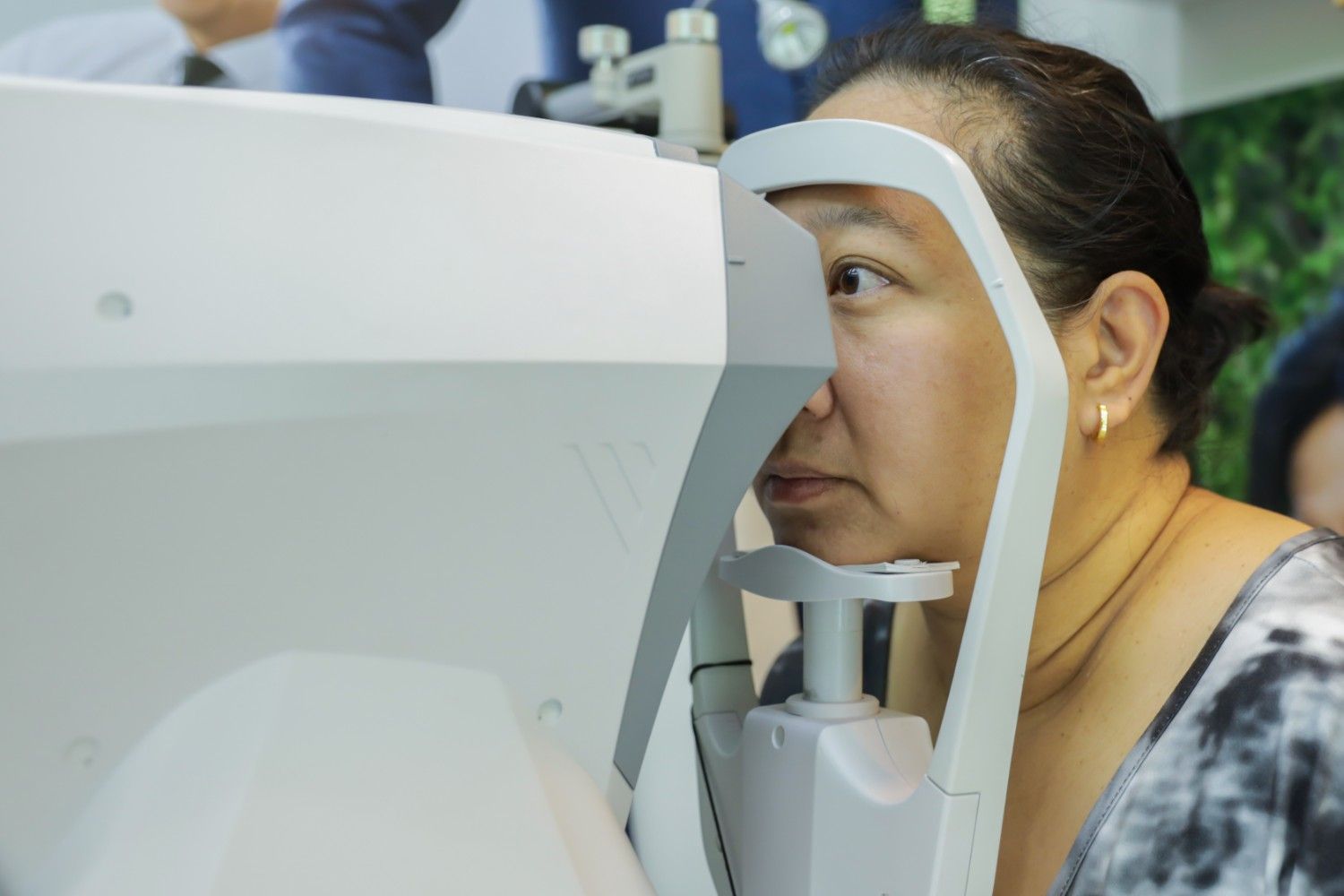
There are different ways to get diagnosed with presbyopia in Singapore. Usually, an ophthalmologist conducts an eye examination. Vision testing, refraction, the eye’s ability to focus and overall health of the eye may be tested so that the appropriate management can be decided.
Our assessment also identifies other potential conditions such as cataract, glaucoma, dry eye disease or retinal problems that may lead to vision loss. Further investigations may be warranted as a clinical indication arises (Patel et al.,2019).
Presbyopia Treatment Options
There are many forms of presbyopia treatment that are available based on clinical findings.
For many patients, reading glasses are the right option if only near work is an issue. Multifocal spectacle lenses and contact lenses may be useful in some cases.
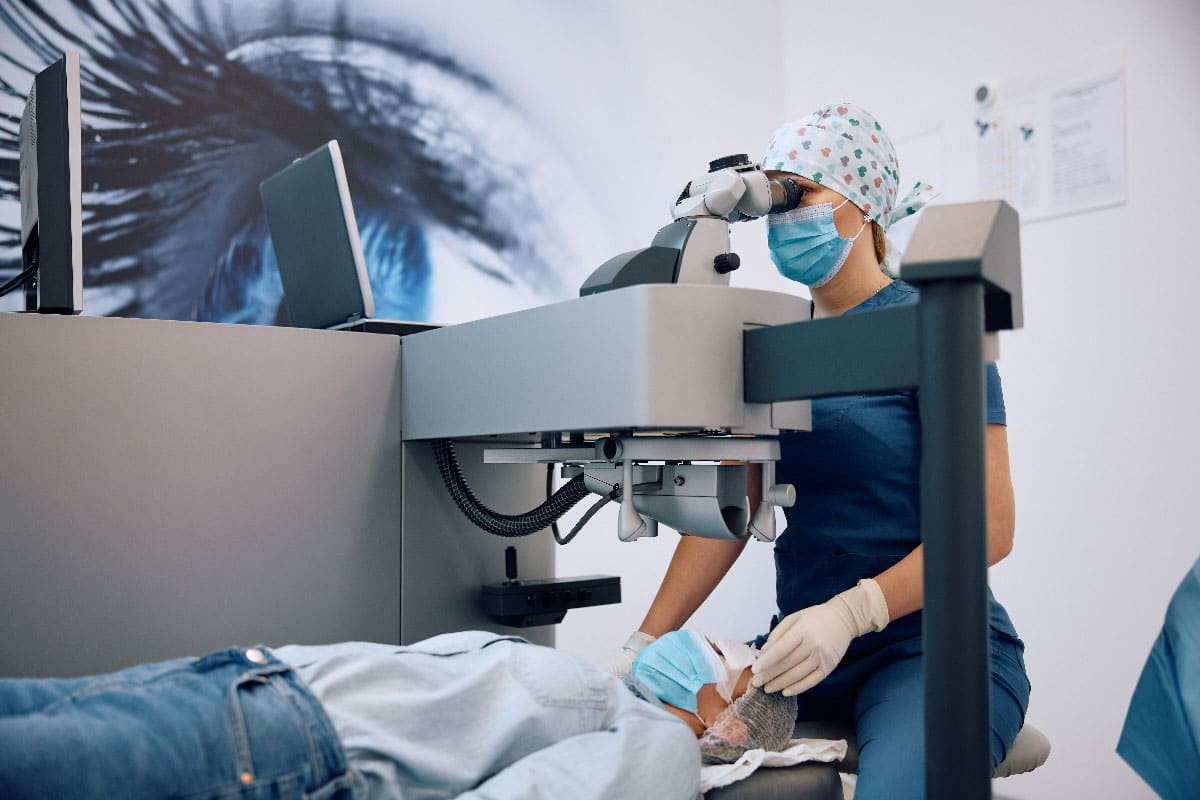
In some cases, laser procedures may give reading vision correction, by means of monovision. One eye is corrected for distance, the other for near. Not all patients tolerate monovision well, so selecting patients carefully is vital.
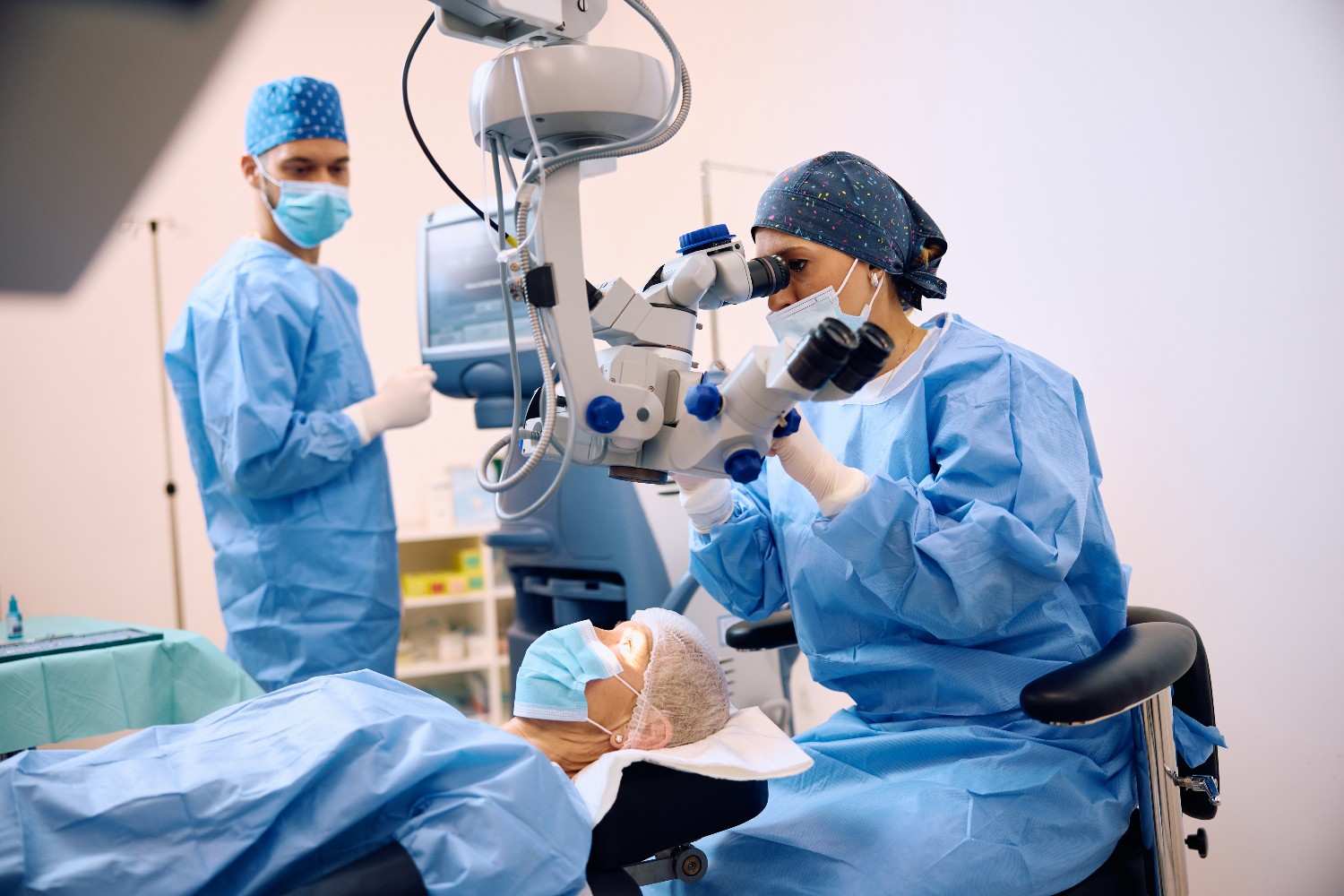
In appropriate candidates, presbyopia surgery with refractive lens replacement may potentially decrease reliance on spectacles by removing the ageing natural crystalline lens and replacing it with a multifocal intraocular lens. (Alio et al., 2011)
Patients should be counselled that no single presbyopia treatment is optimal for all ages, since presbyopic correction depends upon the detailed assessment of clinical parameters, not age.
Choosing the Right Treatment
There is no “one size fits all” presbyopic correction in Singapore. For some, reading glasses may be all they want, but others may want to consider surgical options so that they are not as dependent on spectacles.
Factors considered during assessment include:
- Age and occupation
- Current spectacle prescription
- Corneal health
- Presence of cataracts
- Lifestyle and visual expectations
- Overall eye health
A presbyopia eye specialist can advise if non-surgical or surgical options are viable. Every recommendation should be based on careful clinical evaluation rather than personal preference alone (Montés-Micó et al., 2007).
How We Help at Dr Natasha Lim Eye Centre
Full assessment is provided for those who are looking for presbyopia correction at Dr Natasha Lim Eye Centre. This includes a thorough eye check, discussion of lifestyle needs and the various treatment options. Based on the eye condition and the vision need, we will recommend an appropriate method, including reading glasses, laser surgery or lens replacement.
When Should You See an Eye Specialist?
If your reading becomes more challenging than usual, your eyes hurt, or you experience any other signs of age-related vision loss, book an eye exam to find out the source of the problem. This early evaluation can also detect other conditions of the eye, while exploring ways to correct your presbyopia in Singapore to match your unique requirements.
However, with effective treatment, many presbyopic individuals living in Singapore can lead a comfortable life. Do consider management options such as spectacles, laser or presbyopia surgery with a holistic evaluation by your ophthalmologist.