
Bladeless cataract surgery is a modern approach that patients can consider, using laser technology to improve precision during key stages of the procedure. It is part of the cataract treatment options designed to enhance consistency, reduce manual variation, and support controlled surgical outcomes. Small, daily changes are the first things noticed by many patients in …

Bladeless cataract surgery is a modern approach that patients can consider, using laser technology to improve precision during key stages of the procedure. It is part of the cataract treatment options designed to enhance consistency, reduce manual variation, and support controlled surgical outcomes.
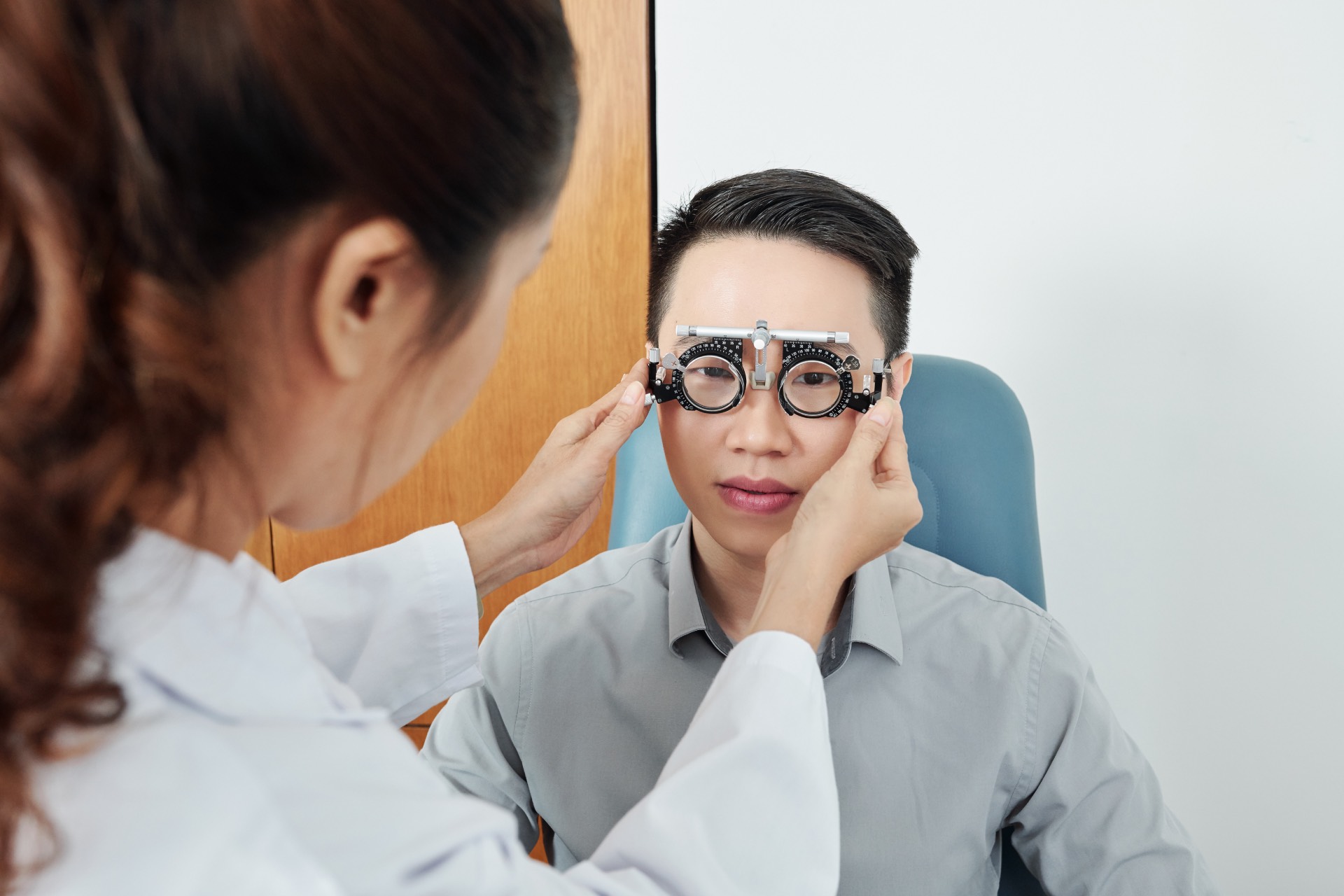
Small, daily changes are the first things noticed by many patients in Singapore who develop cataracts. Sight is a little blurred. Lights are also more aggressive, particularly when heading along the CTE at night. It begins to get uncomfortable to read on the MRT or look at menus in a hawker centre. Such initial alterations can be attributed to the slow blurring of the natural lens of the eye. It has been clinically demonstrated that cataract arises as a result of age-related alteration in lens protein, resulting in loss of transparency (Asbell et al., 2005). The cataract surgery that is done to cataract patients in Singapore is meant to restore clarity by replacing this smoked glass.
When the Cataracts Start to Interfere with Life
Cataracts can progress gradually, and initial symptoms are easy to ignore. And most of them evolve without knowing that vision has evolved. With time, however, these changes start to disrupt normal activities.
As clinical research shows, cataracts are the major cause of vision loss throughout the world, especially in older adults (Liu et al., 2017). This is felt in Singapore in the way one reads transport signs in their everyday life, remembering faces in their overcrowded MRT stations and adapting to the sunny outdoors.
What to watch for:
- Blurred or cloudy vision
- Hypersensitivity to light and glare.
- Problems with night eyesight.
- Colours that look pale or tawny.
The following symptoms are usually pointers to requiring cataract treatment, Singapore patients may consider after a clinical assessment.
The Bladeless Cataract Surgery Procedure
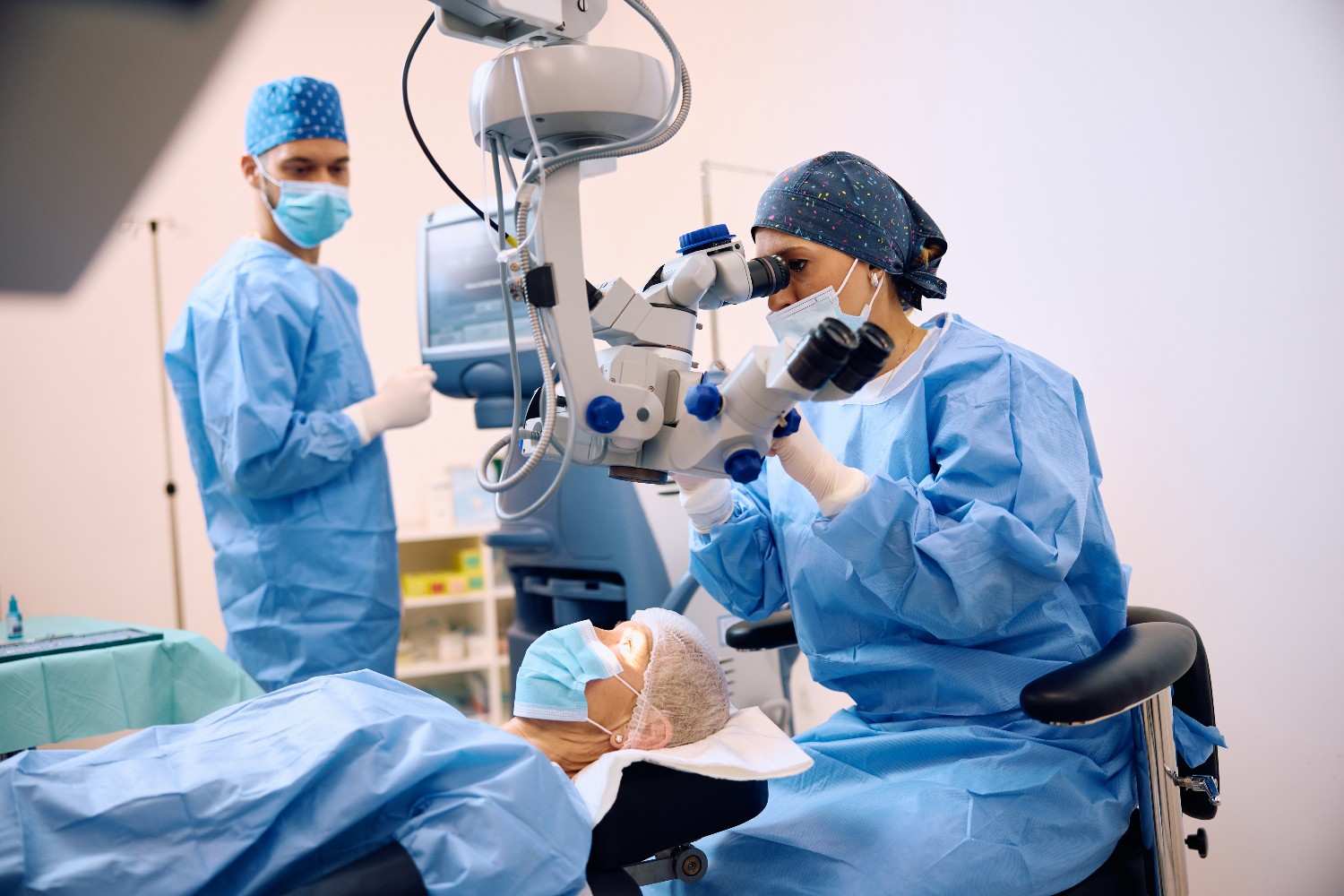
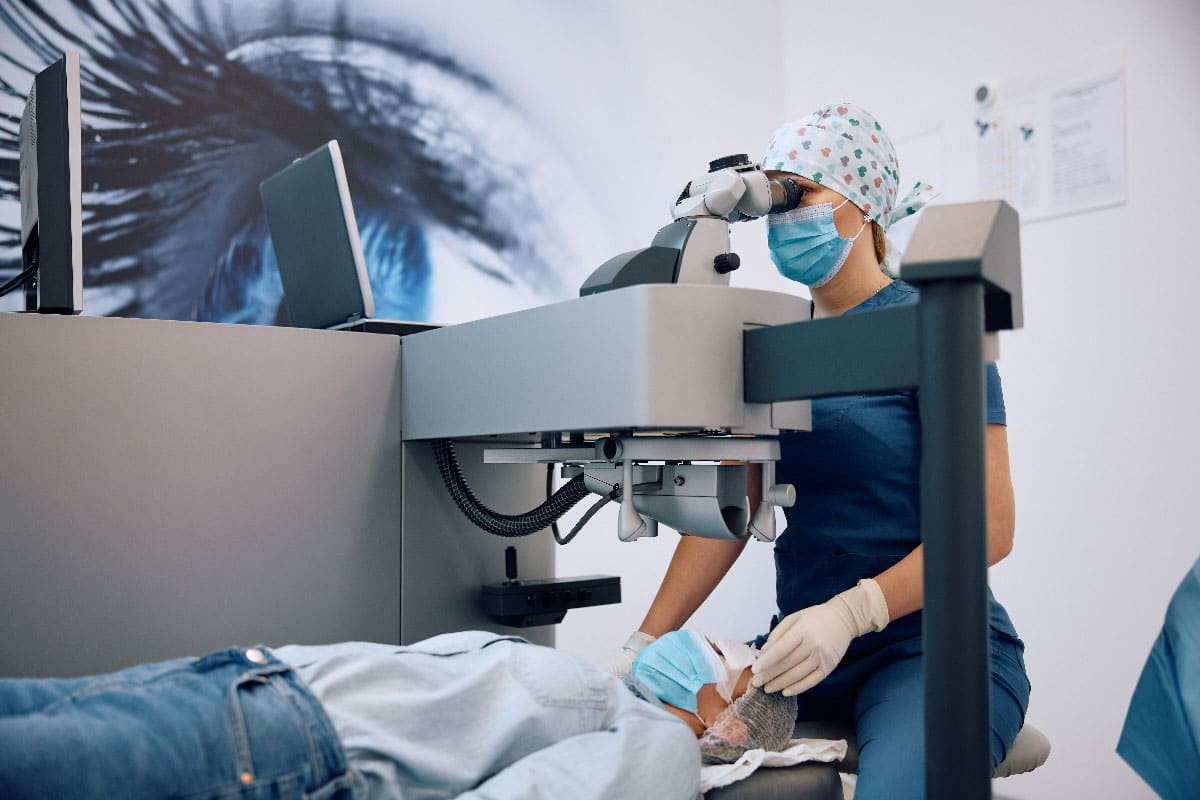
Bladeless cataract surgery involves the use of a femtosecond laser technology to carry out major parts of the surgery with a high degree of accuracy. This technique is a computerised version of the surgery, unlike traditional techniques that use hand tools to perform certain tasks.
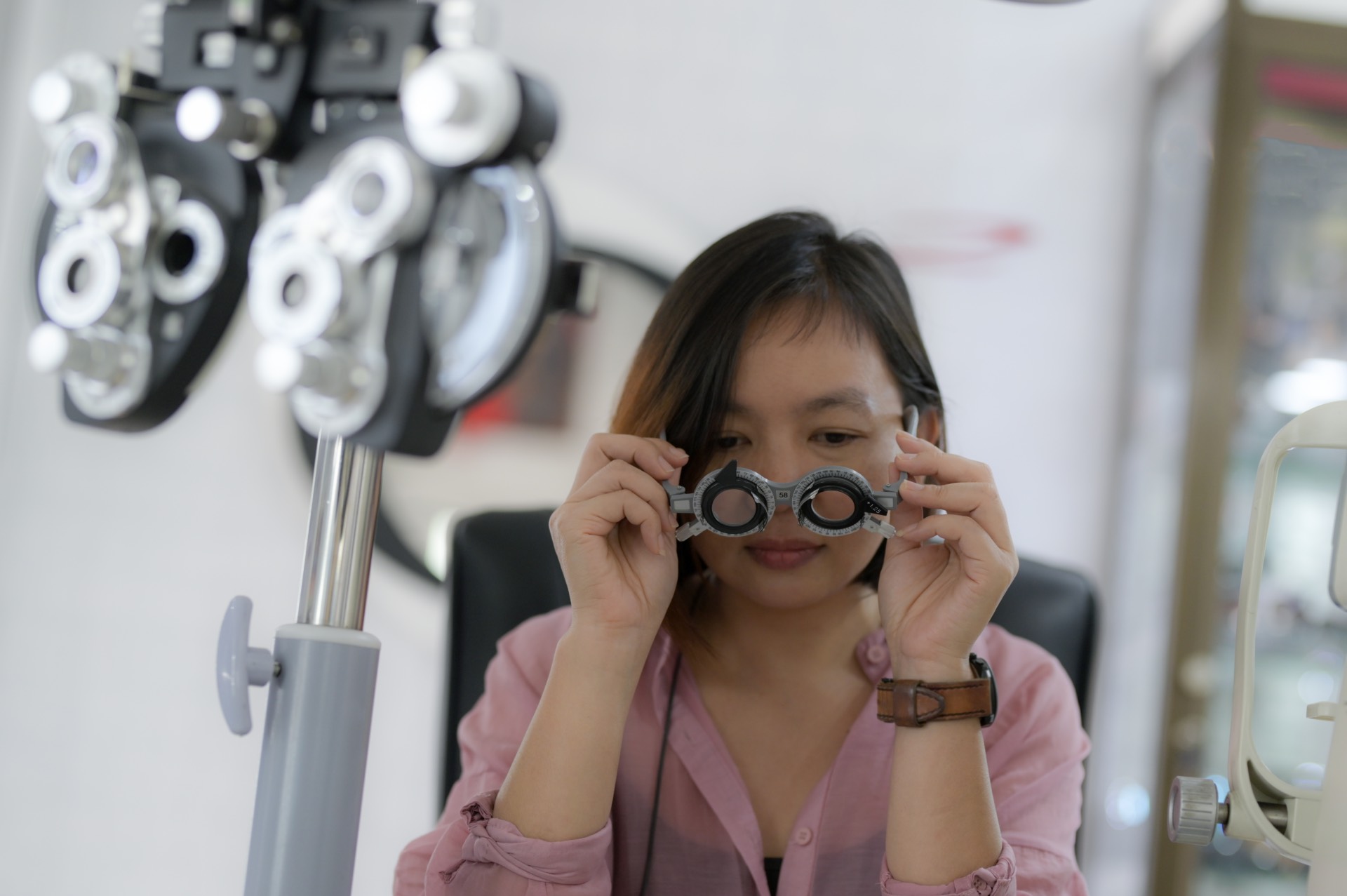
A study in Ophthalmology reveals that surgeries assisted by femtosecond laser refine the precision of corneal cuts and fragmentation of lenses (Abell et al., 2013). This sustains improved results of cataract surgery in Singapore.
The laser cataract surgery also enables greater control when removing the lens. Before the removal of the cataract, the laser softens it, which can lead to less amount of ultrasound energy being required. This helps in a more regulated surgical procedure.
Why Precision is Important in Cataract Surgery
Precision is a vital aspect for a reliable visual result. Minor changes in the operating room may affect the placement of a lens and vision quality in general.
There is clinical evidence that laser-based cataract surgeries enhance the reproducibility and centration of intraocular lenses (Roberts et al., 2016). Bladeless cataract surgery with advanced cataract technology helps in achieving this kind of accuracy.
In the case of cataract surgery patients in Singapore, this translates to the fact that imaging guides and controlled implementation of treatment. Innovative technology in cataract surgery is used to maintain consistency in every step carried out.
Laser Cataract Surgery and Advanced Technology
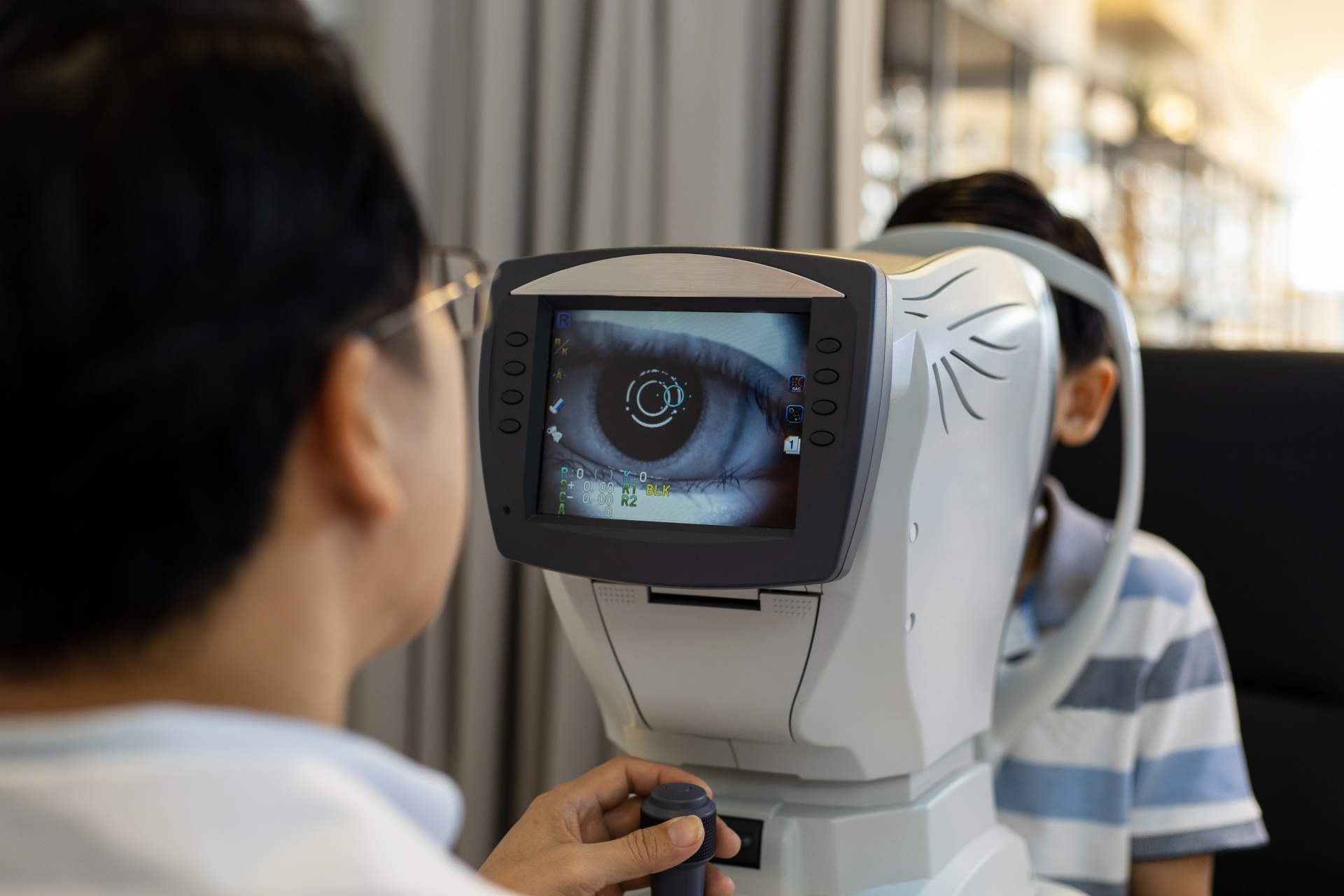
Laser cataract surgery is a move towards the use of technology. It combines imaging technology with surgical planning, enabling the surgeons to tailor the treatment to the structure of the patient’s eye.
Research shows that laser-assisted cataract surgery is more precise in capsulotomy than manual methods and less variable (Nagy et al., 2014). High technology cataract features in this process.
Treatment of cataracts is increasing, considering the implementation of these technologies to improve planning and execution. Laser cataract surgery enables a more organised and well-known surgery.
Comparison of Cataract Surgery Options
| Type of Treatment | Technique | Applicable to | Key Considerations |
|---|---|---|---|
| Old Fashioned Cataract Surgery | Manual technique | Normal cases | Depends on the surgical technique. |
| Bladeless Cataract Surgery | Laser-aided surgery | Precise focal cases | Use high-tech cataract technology. |
| Laser Cataract Surgery | Imaging-surgical plan | Practical use of planning. | Requires detailed planning. |
One of the cataract treatment options is bladeless cataract surgery, which is based on a clinical suitability issue.
Choosing The Right Cataract Treatment In Singapore
Choosing the right cataract treatment for patients ought to be dependent on several factors. These are: the severity of cataracts, daily visual requirements, and eye health.
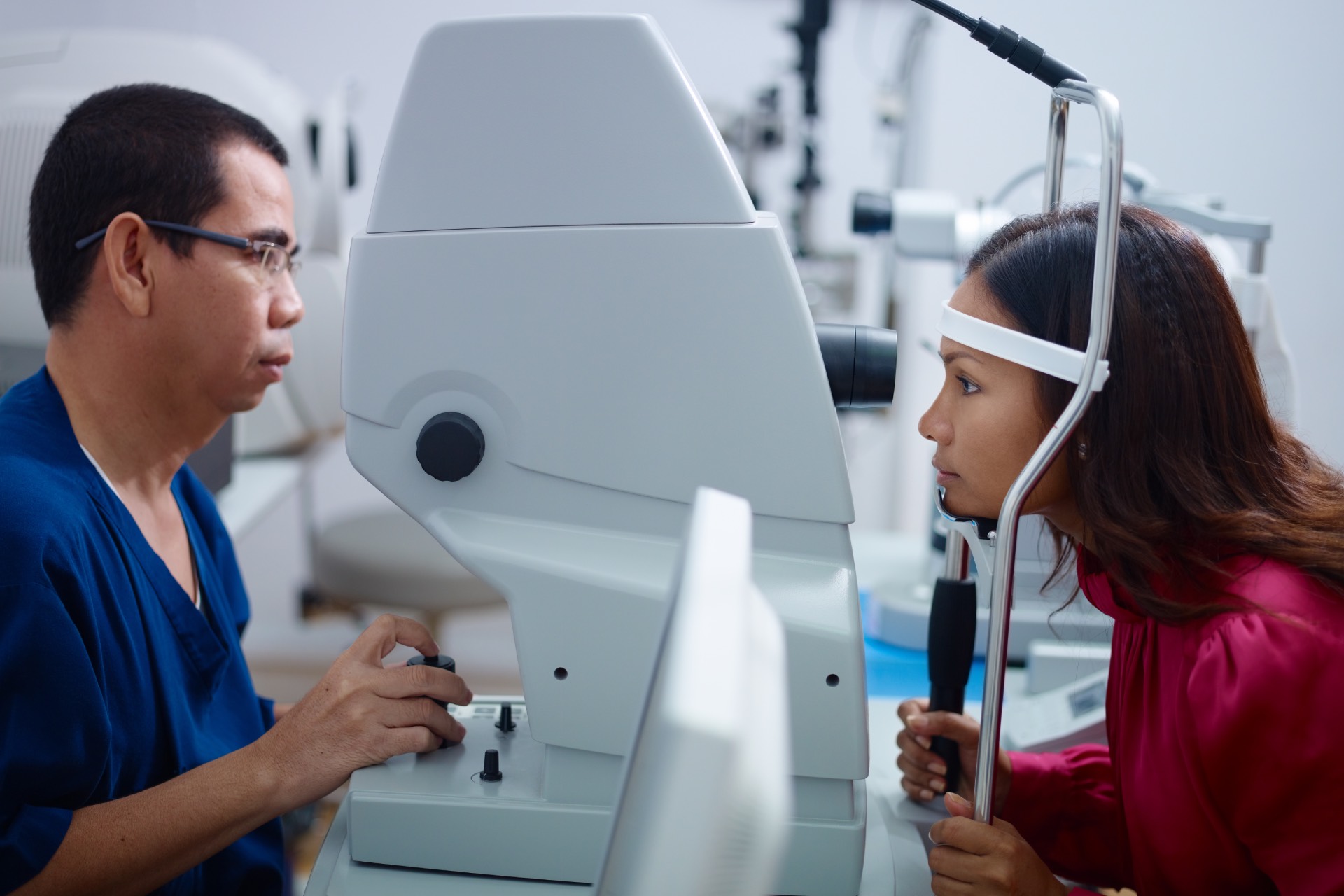
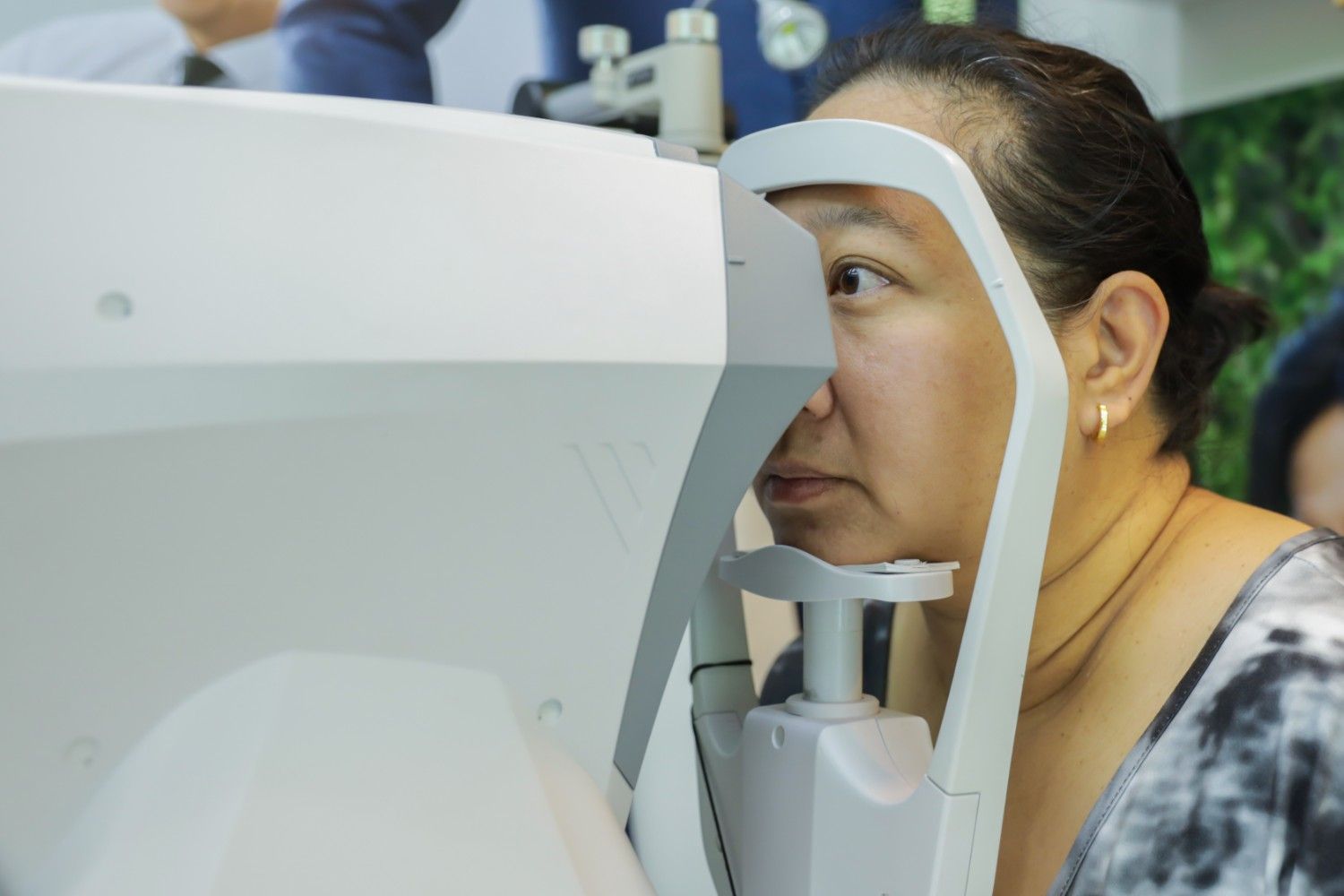
Cataract surgery decisions are based on clinical assessment, such as imaging and visual assessment. Laser cataract surgery can be suggested to patients who want to use technology to assist them. In cases where accuracy and reliability are the foremost aspects, bladeless cataract surgery is the common option.
Indications of each treatment option exist, and individual clinical findings should be considered when making a choice.
Summary Of Key Points
- In cataract surgery, laser technology is used to remove the cataract.
- Cataract surgery is a restoration surgery which replaces the opaque lens to restore vision.
- In the cases that are selected, laser cataract surgery is more accurate.
- Treatment of cataracts in Singapore is done both manually and laser-assisted.
- The new cataract technology aids in maintaining uniform results
About Dr Natasha
We do a full clinical assessment in our clinic. We consider bladeless cataract surgery and laser cataract surgery depending on the condition of the patient. Our strategy is centred on the safety of the treatment, organised planning and predictable results with the latest cataract technology.
Conclusion
Bladeless cataract surgery is a highly accurate and innovation-guided alternative to cataract surgery for Singapore patients that helps to achieve high consistency in the process. As laser cataract surgery is integrated with advanced technology, the treatment of cataract in Singapore is going to be more controlled and customised. This is aimed at early clinical assessment to identify the most appropriate method of long-term visual clarity.